Specialized Care for Gum Disease, Gum Recession, and Dental Implants with A Conservative, Patient-First Approach

At Keith Chertok, DDS, periodontal care is built around a simple goal: protect your oral health first, then restore comfort, function, and confidence with the least invasive treatment appropriate for your needs. As a periodontist in Berkeley, CA, Dr. Chertok provides specialized care for patients dealing with bleeding gums, gum recession, loose teeth, missing teeth, and more advanced periodontal concerns.
A specialist evaluation looks beyond surface symptoms. Gum disease and bone loss often develop gradually, which is why treatment should begin with a clear diagnosis, a careful review of the supporting tissues, and a plan designed around long-term stability rather than unnecessary intervention.
Our practice focuses on advanced periodontal therapy and implant dentistry, including LANAP® laser gum disease treatment, gum grafting, minimally invasive recession procedures, bone grafting, guided tissue regeneration, and dental implants. Whether you need to control active infection, rebuild lost support, or replace missing teeth, the goal is to recommend the right treatment at the right time.
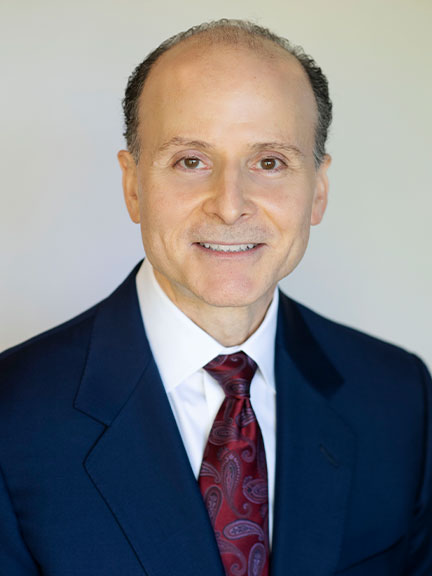
Dr. Keith Chertok graduated in the top 5% of his class from the New York University College of Dentistry and was inducted into the Omicron Kappa Upsilon honor society. He also received the Quintessence Award for excellence in Periodontics and completed a hospital residency at the New York VA hospital.
He later completed advanced specialty training in Periodontics and Implantology at UCSF. In addition to private practice, Dr. Chertok has taught at the Dugoni School of Dentistry and UCSF and has provided continuing education for dentists and dental hygienists. He also served for many years as the attending periodontist overseeing periodontal education for dental residents at the Veterans Hospital Healthcare System of Northern California.
That combination of specialty training, teaching experience, and clinical judgment supports a treatment philosophy that is conservative when possible, precise when treatment is necessary, and always centered on long-term oral health.
Our periodontal services are designed for patients who need more than a routine cleaning and want answers grounded in specialty care. Treatment recommendations depend on the health of the gums, the level of bone support, the severity of inflammation, and your long-term goals.
Many patients are referred to a periodontist because something feels off, even if they are not sure what the problem is yet. Periodontal conditions often develop gradually, which means early symptoms can seem minor while inflammation or bone loss progresses underneath the surface. At Keith Chertok, DDS, treatment begins with identifying the source of the problem and matching it to the most appropriate level of care.
Common conditions we evaluate and treat include bleeding gums, swollen or tender gums, chronic bad breath, gum recession, exposed roots, deep periodontal pockets, loose teeth, bone loss, and concerns involving failing teeth or dental implants. Patients may also come in after being told they need an extraction, gum surgery, or implant treatment and want a specialist’s opinion first.
Some conditions respond well to non-surgical periodontal therapy and maintenance. Others may require LANAP® laser treatment, gum grafting, guided tissue regeneration, bone grafting, or implant-related treatment planning depending on the extent of damage and the health of the surrounding tissues. The goal is to stabilize disease, preserve healthy structures where possible, and create a plan that supports long-term oral health.
A periodontist is a dental specialist with additional years of advanced training focused on the gums, bone, and supporting structures of the teeth. That deeper level of training is especially important when the issue involves bone loss, gum recession, advanced periodontal disease, failing teeth, or treatment planning for dental implants.
Not every patient needs surgery, and not every problem should be treated the same way. The value of seeing a periodontist lies in getting a precise diagnosis and a treatment plan based on the biology of the condition, the health of the surrounding tissues, and the most conservative path to long-term stability.
For patients in Berkeley, CA, seeing a board-certified periodontist can provide clearer answers, better treatment planning, and a more predictable path forward when gum and bone health are at stake.
You should consider scheduling an evaluation if you notice bleeding gums, swollen or tender gums, gum recession, persistent bad breath, loose teeth, or changes in how your teeth fit together. A consultation is also valuable if you have been told you have moderate or severe gum disease, if you are considering dental implants, or if you want a second opinion before moving forward with extraction or periodontal surgery.
Early treatment can help stabilize infection, reduce damage to the supporting bone, and improve the chances of preserving teeth whenever possible.

Before-and-after treatment photos can help show what is possible with carefully planned periodontal and implant care. From improved gum health to more stable tissue support and restored smiles, these cases reflect treatment designed around function, health, and long-term maintenance.
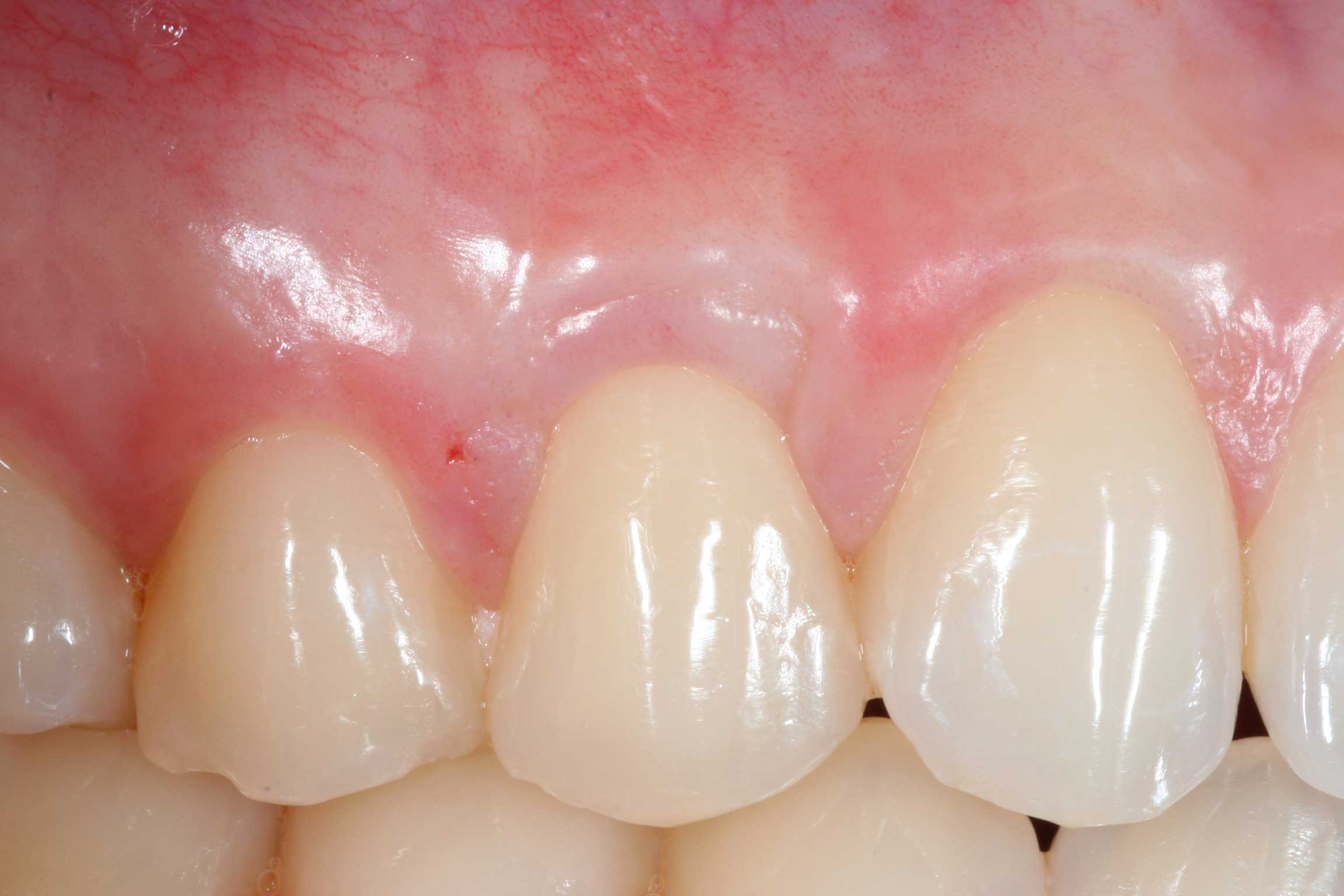
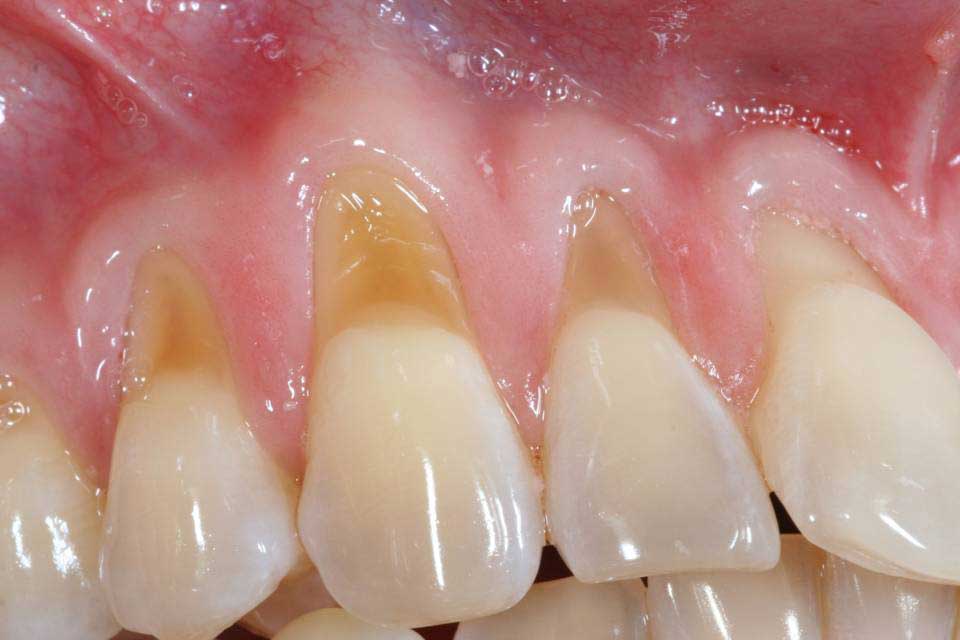
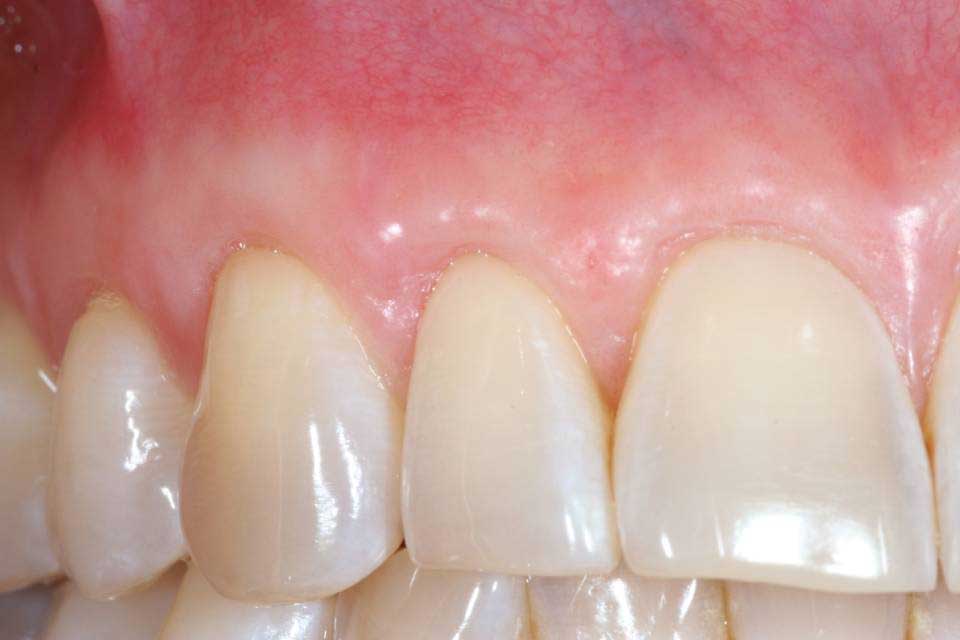
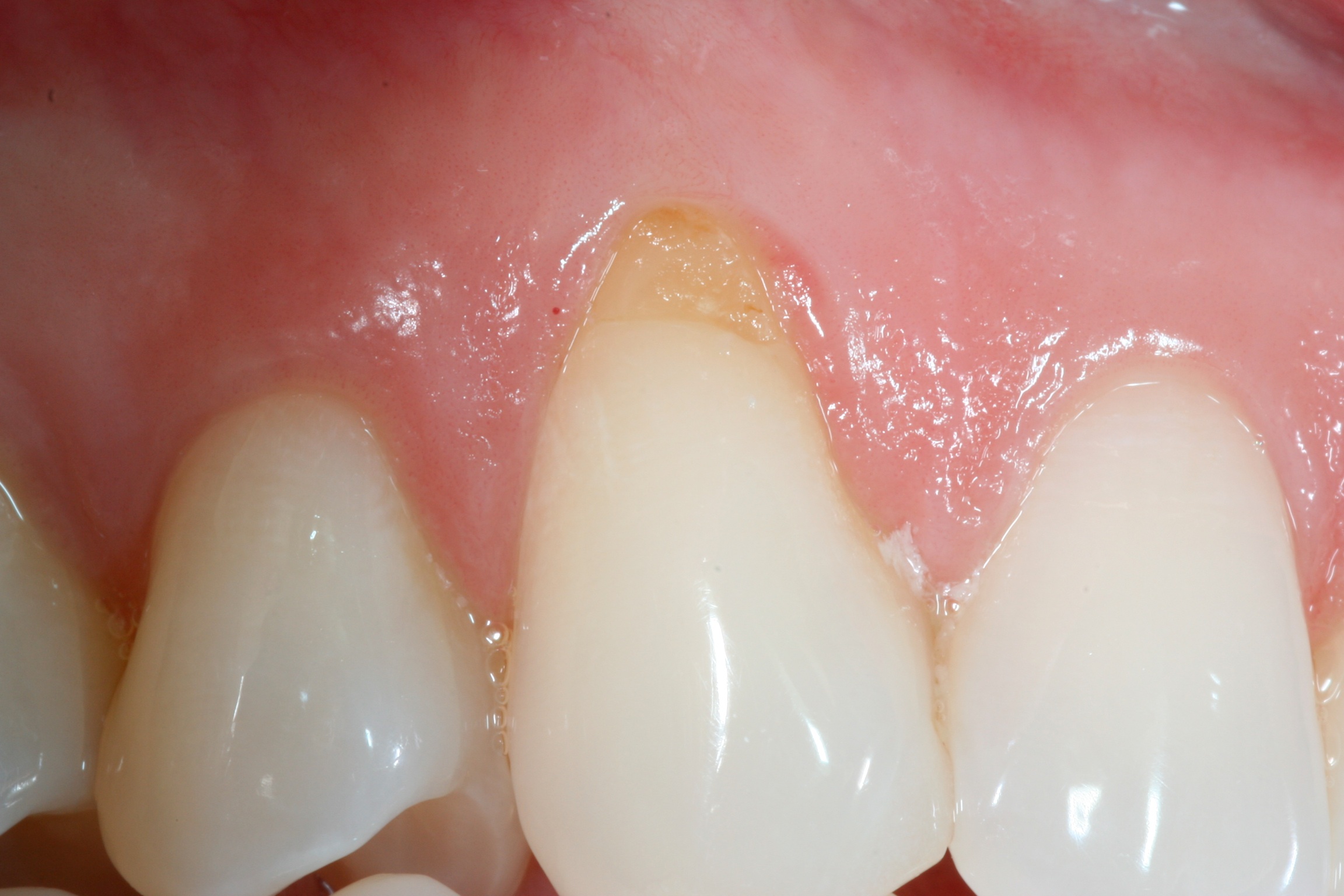
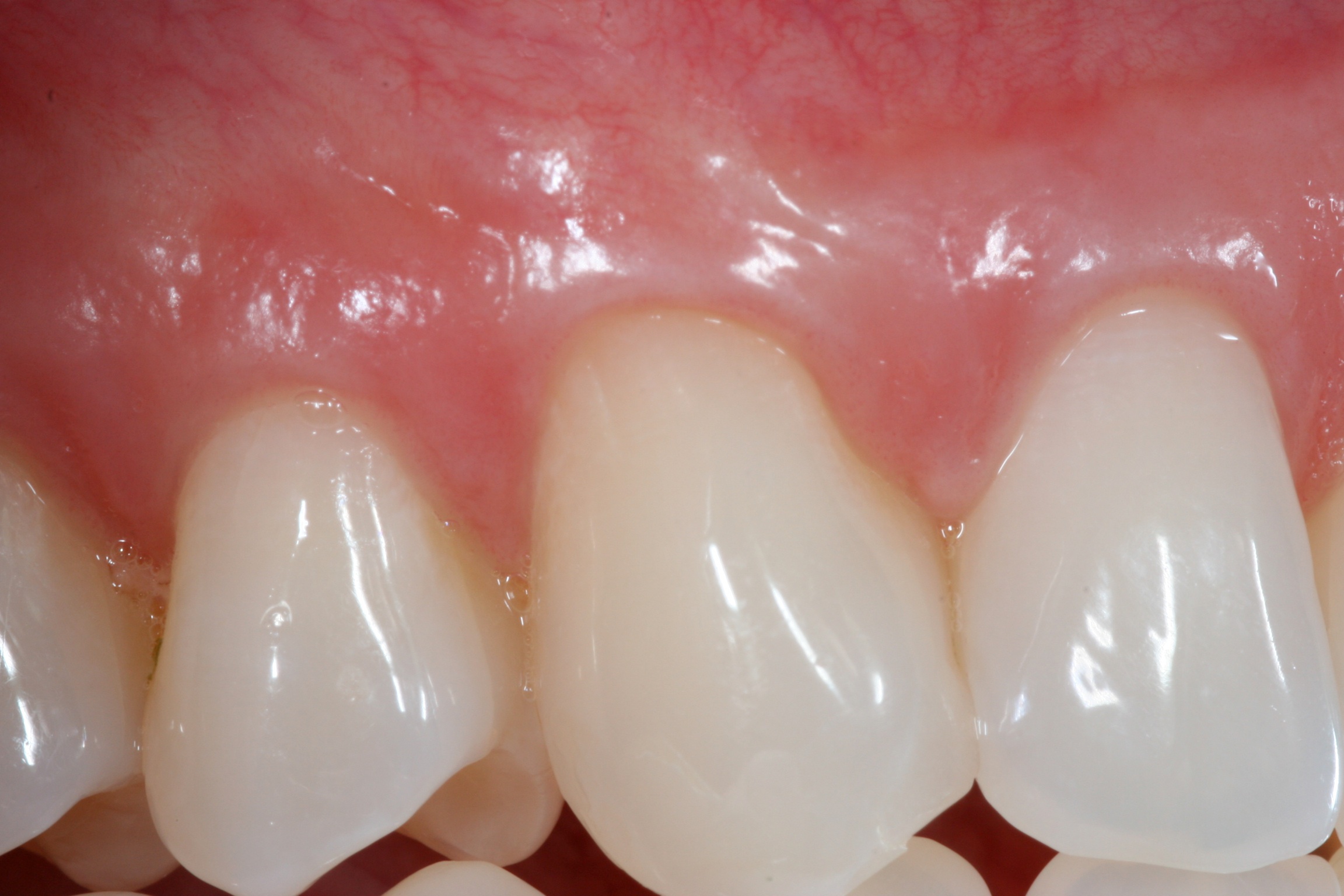
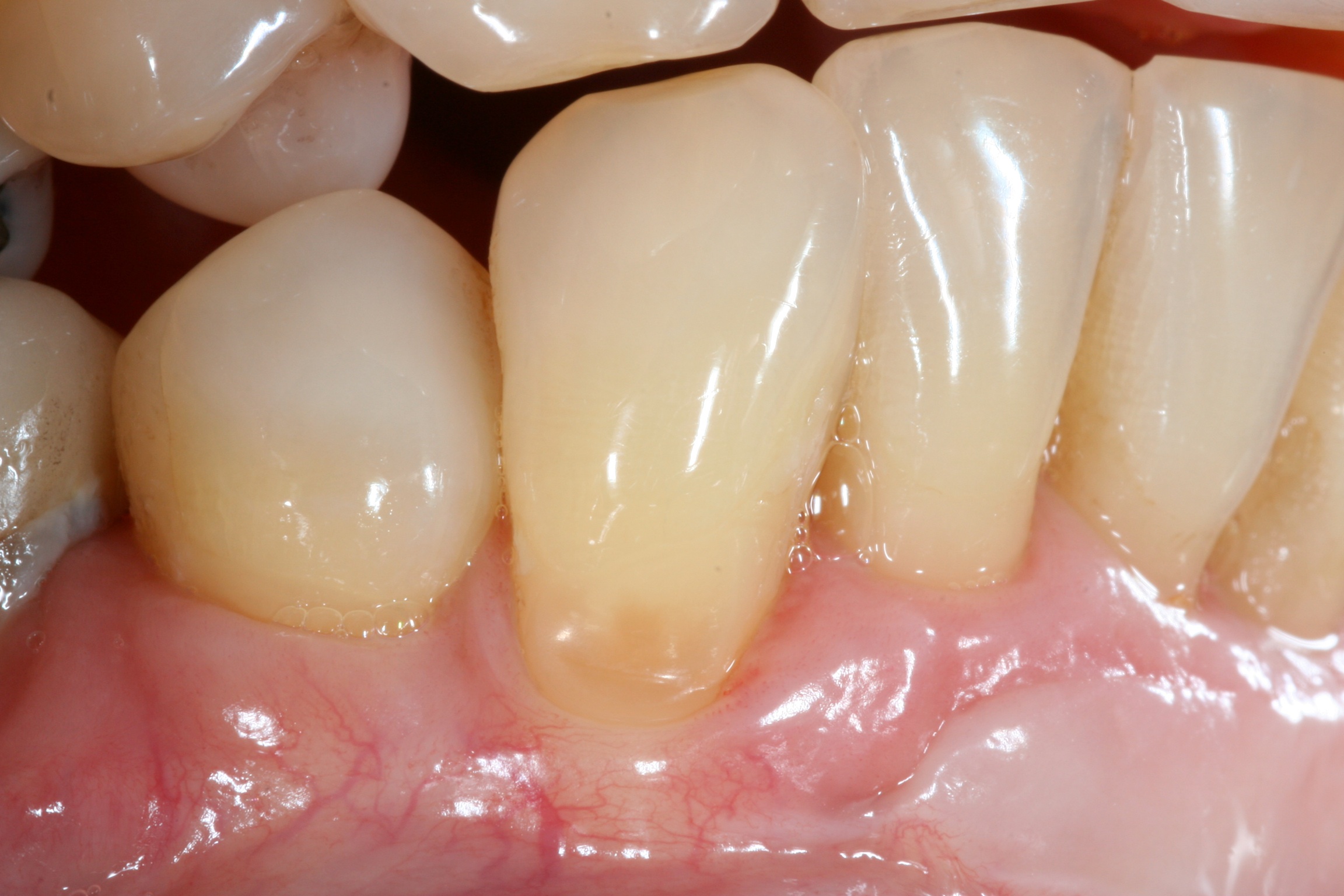
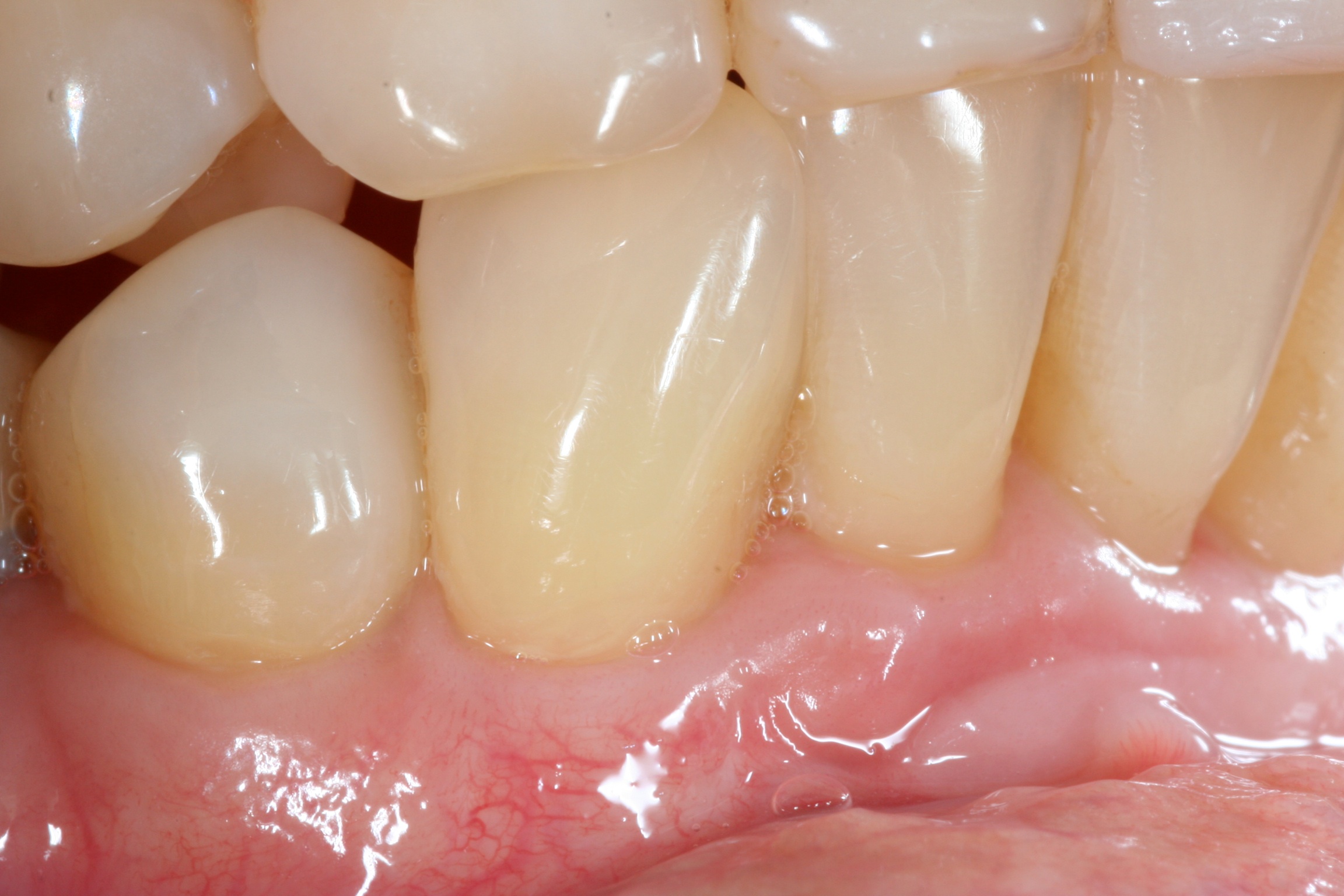
Your first visit is designed to answer an important question: what is happening with your gums, bone, or missing teeth, and what is the most appropriate next step? A periodontal evaluation typically includes a review of your symptoms, medical and dental history, imaging, periodontal measurements, and an assessment of the gums, supporting bone, bite, and risk factors that may affect long-term stability.
If you are coming in for bleeding gums, gum recession, or possible periodontal disease, the exam helps determine whether the condition is mild, moderate, or advanced, and whether treatment should begin with non-surgical therapy, laser treatment, maintenance, or surgical care. If you are coming in for dental implants, the consultation also helps assess bone volume, gum health, restorative goals, and whether any preparatory treatment may improve predictability.
You should also expect a clear explanation of findings and treatment options. Not every patient needs the same type of care, and not every diagnosis leads directly to surgery. The purpose of the consultation is to give you a precise understanding of your condition, explain your options in plain language, and create a treatment plan that is thoughtful, conservative, and tailored to your needs.
A periodontist is a dentist who completes additional specialty training in the prevention, diagnosis, and treatment of gum disease and in the placement of dental implants. Their work focuses on the gums, bone, and connective tissues that support the teeth.
In practical terms, that means a periodontist treats problems such as deep periodontal pockets, gum recession, exposed roots, bone loss, and tissue deficiencies that can affect both natural teeth and dental implants. Periodontal specialty care may include diagnosis, non-surgical therapy, minimally invasive procedures, regenerative treatment, implant planning, and long-term maintenance.
Patients often think of a periodontist only when they hear the words “gum surgery,” but specialty periodontal care is about much more than surgery alone. It is about preserving oral health, controlling disease, protecting the foundation of the teeth, and helping patients make informed decisions about treatment.
If you are looking for a periodontist in Berkeley, CA for gum disease treatment, gum recession care, or dental implants, Keith Chertok, DDS provides specialty care designed to be clear, conservative, and personalized. Whether you need active treatment or a second opinion, the first step is a careful evaluation and a treatment plan you can understand.
LANAP® is a laser-based treatment used for moderate to advanced periodontal disease. It targets diseased tissue and bacteria within the periodontal pocket while helping preserve more healthy tissue than traditional gum surgery. After infection is reduced, the gums can begin to heal around the teeth, which may help improve stability and reduce pocket depth when paired with proper maintenance.
LANAP® may be a good option for patients with moderate to advanced gum disease who need treatment beyond scaling and root planing. Because it is less invasive than conventional gum surgery, many patients are interested in it for reduced discomfort and an easier recovery experience. Whether it is appropriate depends on the severity of the disease, the condition of the supporting bone, and the findings from your periodontal evaluation.
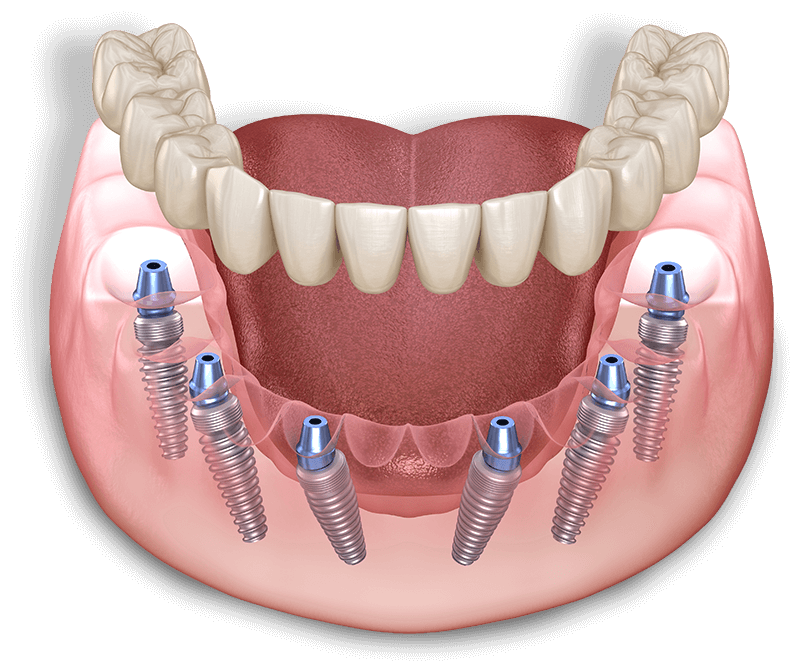
Dental implants replace missing tooth roots with a titanium post that integrates with the jaw bone through a process called osseointegration. Once the implant has fused with the bone, it can support a crown, bridge, or denture depending on the treatment plan. Successful implant treatment depends on healthy gums, adequate bone support, proper bite planning, and careful coordination between surgical and restorative care.
Some patients can move directly into implant placement, while others may need bone grafting first to improve support and long-term predictability. Bone grafting is used when the jaw does not have enough volume or density to support an implant securely. Your consultation helps determine whether grafting, soft tissue management, or staged treatment is recommended before implant placement.
Bleeding gums are often a sign of inflammation caused by bacterial buildup around the gumline, but they can also point to more advanced periodontal disease when deeper tissues are involved. If bleeding happens regularly when brushing or flossing, it should not be ignored. A periodontal evaluation can help determine whether the issue is gingival inflammation, deeper pocketing, or early bone loss and what treatment is appropriate.
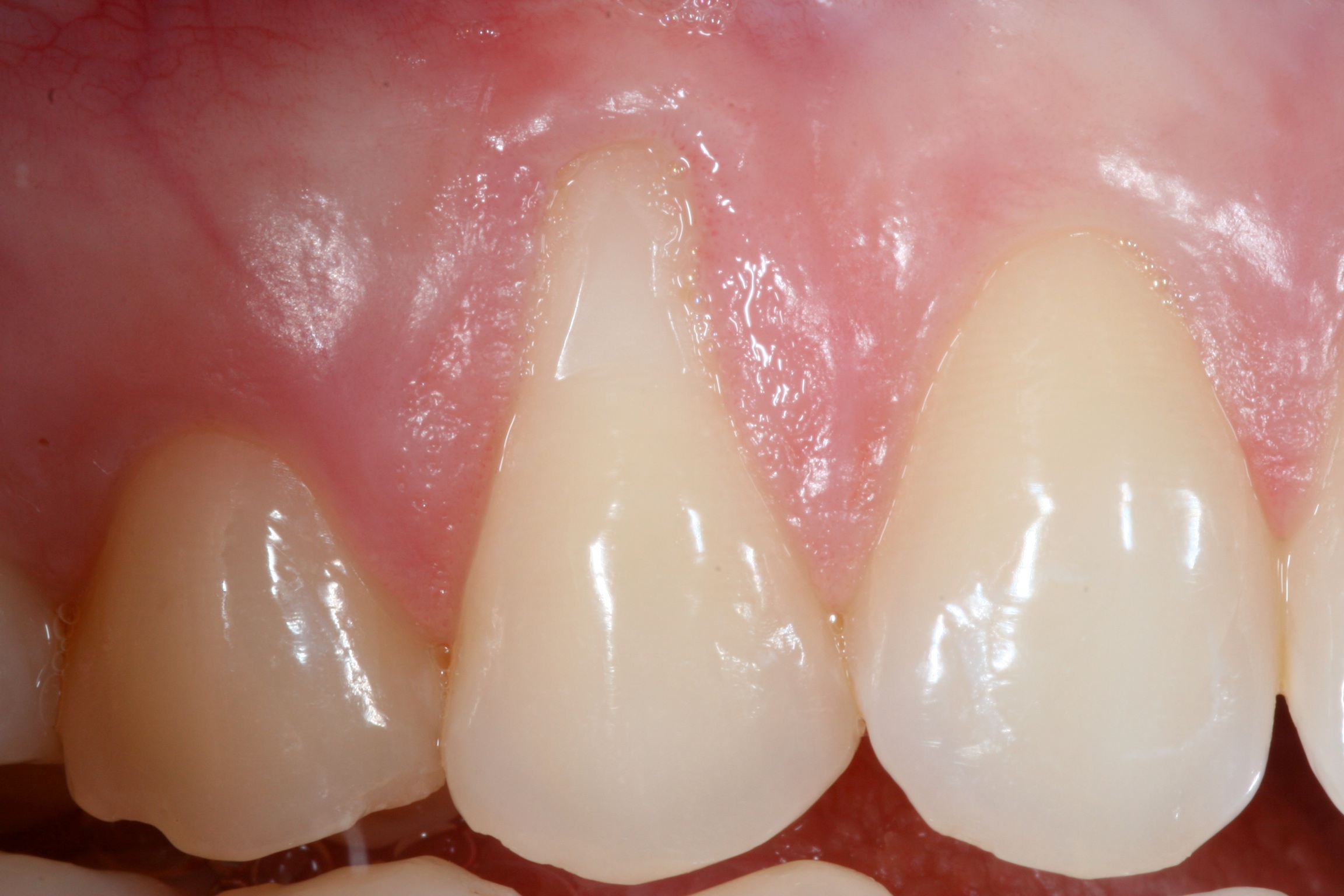
Gum recession can develop from periodontal disease, inflammation, aggressive brushing habits, bite-related stress, thin gum tissue, or other contributing factors. Recession exposes the root surface, which can increase sensitivity and make teeth appear longer. Treatment may involve controlling inflammation first and then considering gum grafting or a minimally invasive recession procedure to protect exposed roots and improve tissue stability.
Loose teeth can be a sign that the supporting bone and gum tissues have been compromised. In some cases, the cause is advanced periodontal disease, while in others it may involve bite forces, bone loss, or a combination of factors. A specialist evaluation helps determine whether the tooth can be stabilized, whether regenerative treatment may help, or whether replacement planning needs to be discussed.
You should consider seeing a periodontist if you have bleeding gums, gum recession, swollen or tender gums, persistent bad breath, loose teeth, or if you have been told you have moderate or severe gum disease. A consultation is also helpful before dental implants, before extractions tied to periodontal problems, or anytime you want a second opinion about your gum health.
A periodontal consultation typically includes a review of your symptoms, dental and medical history, imaging, periodontal measurements, and an examination of the gums, bone, bite, and related risk factors. The purpose is to identify the source and severity of the problem, explain your options clearly, and create a treatment plan that fits your condition and long-term goals.
Dr. Keith Chertok is a board-certified periodontist with specialty training in Periodontics and Implantology at UCSF, along with teaching experience at UCSF and the Dugoni School of Dentistry. His background also includes hospital-based training and years of overseeing periodontal education for dental residents. That combination of advanced training, clinical experience, and conservative treatment planning supports care that is precise, patient-focused, and grounded in long-term oral health.