
Dental Implant Cost - Berkeley, CA
Dental Implants Can Save You Money in the Long Run
Learn what affects the cost of dental implant treatment and why a personalized evaluation is the most accurate way to understand your treatment plan.

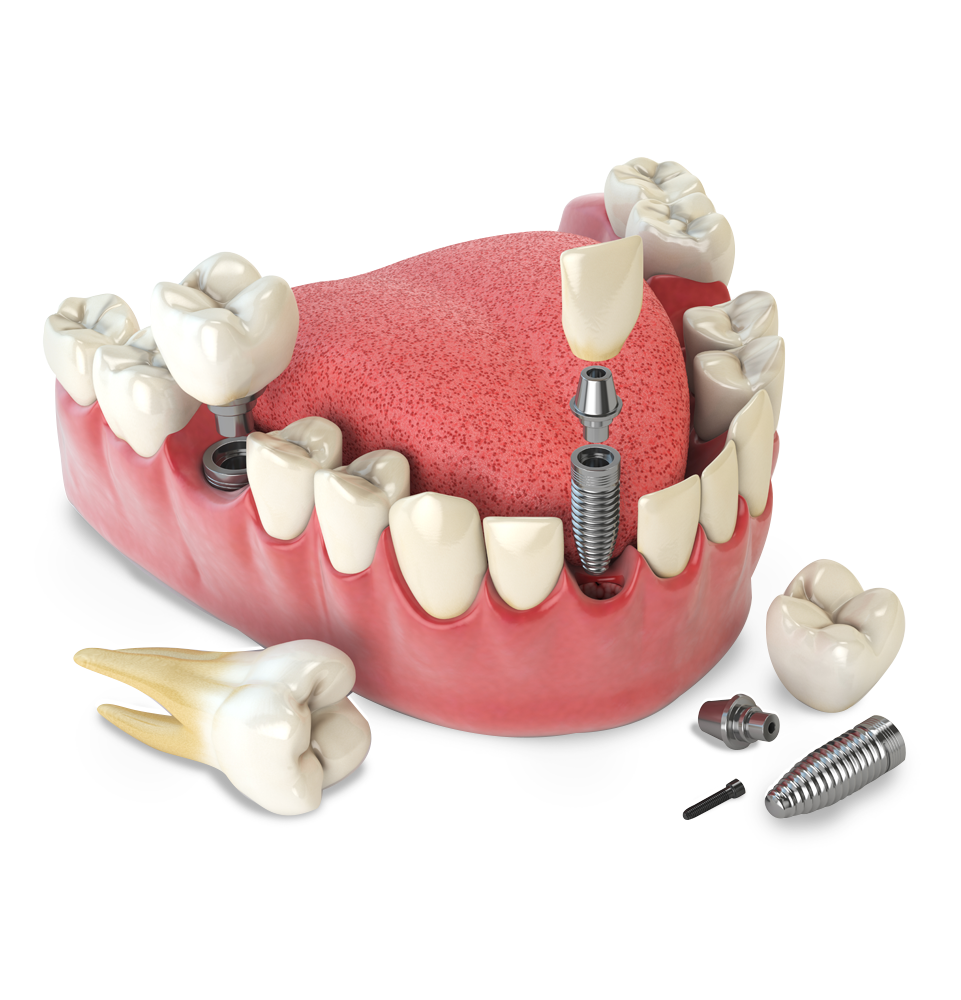
Factors that Affect Tooth Implant Cost
Several factors can affect the cost of dental implants and the treatment plan recommended for you. Because every case is different, the most accurate way to understand your cost is through a comprehensive evaluation. We also offer financing options to help patients move forward with needed care.
Cost of Dental Implants:
- Number of missing teeth
- Extent of bone loss
- Type of implant procedure
- Need for a sinus lift
- Presence of periodontal disease
- Need for extractions
- Whether you are missing all teeth
Why A Specialist Evaluation Matters For Implant Cost
Dental implant cost is not just about the implant itself. It is also shaped by the condition of the gums, the amount of available bone, the location of the missing tooth, and whether additional procedures may be recommended before treatment begins. A specialist evaluation helps identify these factors early so the treatment plan is based on what will support long-term stability, not guesswork.
This matters because some patients need more than straightforward implant placement. If there is bone loss, periodontal disease, or a need for staged treatment, the overall plan may include grafting, tissue management, or disease control before implant surgery. Imaging and diagnosis help clarify what is needed and why.
Dr. Keith Chertok’s background as a board-certified periodontist with specialty training in periodontics and implantology supports treatment planning that takes both the restoration and the supporting tissues into account. That level of evaluation helps patients understand not only what treatment may cost, but what is being recommended to improve predictability and long-term function.

Why Implant Cost Varies By Case Type
Dental implant cost can vary significantly depending on how many teeth are being replaced and how the restoration is designed. A single-tooth implant usually involves a different level of planning, materials, and restorative work than treatment for several missing teeth or a full-arch case.
For patients replacing multiple teeth, implants may support a bridge or a broader restorative plan. In full-arch cases, treatment may involve several implants and a more complex design to support a larger prosthetic. These differences affect not only the restoration itself, but also the surgical planning, healing sequence, and overall treatment timeline.
Bone support also plays a major role across case types. Some patients can move directly into implant placement, while others may need bone grafting or other preparatory care first. That is one reason a personalized evaluation is so important when discussing cost.
Here are key factors that affect tooth implant cost
The more teeth that need to be replaced, the more complex the treatment can become. A single implant, multiple implants, or a full-arch solution each requires different planning, materials, and restorative steps.
Dental implants can be used to replace one tooth, several teeth, or a full arch. The type of restoration recommended for your smile is one of the main factors that affects total cost. During your consultation, we will review your options and explain which approach best fits your oral health, goals, and anatomy.
In the upper back jaw, available bone height is sometimes reduced because of the position of the sinus. When this happens, a sinus lift may be needed to create a stable foundation for an implant. This is one reason implant treatment in the upper premolar or molar region may cost more.
Healthy gums and supporting bone are important for long-term implant success. If periodontal disease is present, it should be treated before implants are placed. Addressing infection and inflammation first helps create a healthier environment for healing and osseointegration.
If damaged or failing teeth need to be removed before implant treatment, that can affect the overall cost and timeline. In some cases, extractions and grafting may be part of the same treatment phase.
If you are missing all teeth, treatment may not require extractions or periodontal therapy, but bone loss is often still an important factor. Longstanding tooth loss can reduce the amount of available bone and may require grafting or a different full-arch treatment approach.
A comprehensive evaluation helps determine which treatment is appropriate and what your cost will likely include. This visit may involve a clinical exam, imaging such as X-rays or 3D scans, and a review of gum health, bone support, and the number and location of missing teeth. From there, we can build a personalized treatment plan and explain your next steps clearly.
For more information about the cost of dental implants in Berkeley, CA, schedule a consultation with Dr. Chertok today.
Dental Implants Can Save You Money in the Long Run
Dental implants usually involve a higher upfront investment than traditional bridges or dentures, but they may offer better long-term value for many patients. Unlike removable options, implants replace the root support of a missing tooth. That support helps the jawbone continue receiving stimulation, which can slow bone loss after tooth loss.
Implants are also designed to provide stable chewing function and a secure foundation for the final restoration. With appropriate home care and regular professional maintenance, many implants remain in function for many years. While no dental treatment lasts forever in every patient, implants often reduce the cycle of frequent relines, adjustments, or replacement that can occur with some other tooth replacement options.
Whether implants are the most cost-effective choice depends on your oral health, the condition of your bone and gums, and the type of restoration you need. A consultation can help you compare your options in a realistic way.
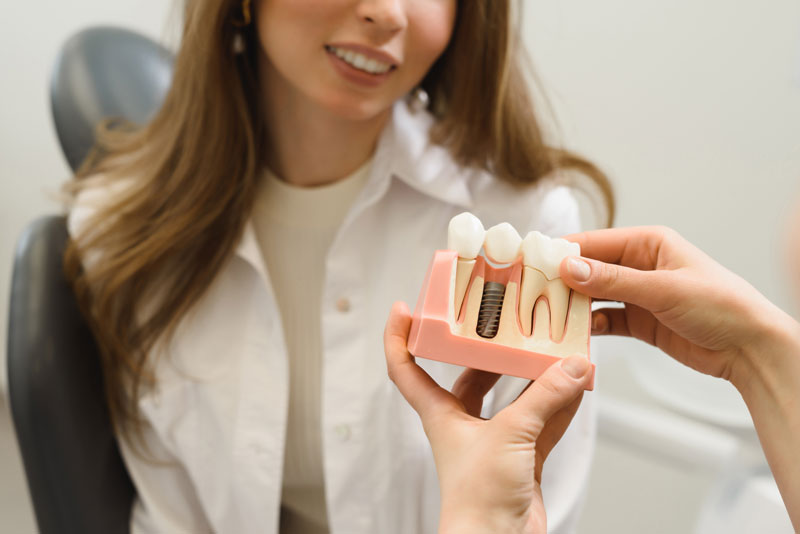
Reasons to Replace Missing Teeth with Implants:
- Help reduce bone loss in the jaw
- Support a healthier jaw structure
- Help prevent neighboring teeth from shifting
- Provide stable support compared with some removable options
Find Out If You're A
Candidate For Dental Implants!
Answer the Following Questions To Learn more about our pricing and financing options.

Dental Implant Cost FAQs for Patients in Berkeley, CA
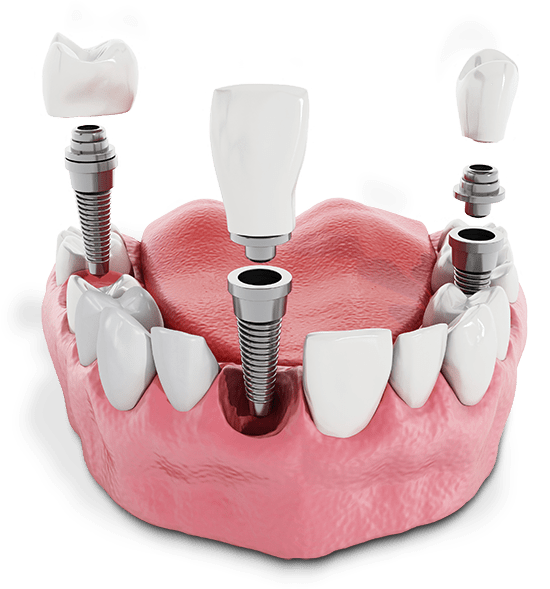
Dental implant treatment replaces a missing tooth root with an implant placed in the jawbone. During healing, the surrounding bone bonds to the implant surface through a process called osseointegration. Once healing is complete, the implant can support a crown, bridge, or other restoration depending on how many teeth need to be replaced.
A dental implant evaluation may include clinical exam findings and imaging such as X-rays or 3D scans to assess gum health, bone support, and the number and location of missing teeth. Advanced imaging is especially helpful when the treatment plan may involve bone grafting, sinus-related planning, or more complex implant placement.
It may. If there is not enough healthy bone to support an implant, bone grafting may be recommended first to improve support and long-term predictability. This can add treatment time and may change the overall sequence of care before implant placement.
Recovery depends on the number of implants placed and whether grafting was needed. Many patients have only minor swelling or bruising for a few days, while the deeper healing phase in the bone takes longer as osseointegration continues. Some patients return to normal activities quickly, but full healing timelines vary by case.
Dental implants need enough healthy bone for support. After tooth loss, the jawbone can begin to shrink because it no longer receives stimulation from the natural tooth root. If bone volume is limited, additional treatment may be recommended before implant placement so the implant has a more stable foundation.
If periodontal disease is present, it should usually be treated before implants are placed. Healthy gums and supporting bone create a better environment for healing and long-term implant stability, which is why the treatment plan may begin with managing inflammation or infection first.
Many adults lose teeth because of decay, trauma, or gum disease. Replacing missing teeth with implants may help restore chewing function, support the bite, and help limit the bone changes that can happen after tooth loss. The right plan depends on the condition of your gums, bone, and overall oral health.
You should consider scheduling an evaluation if you are missing one or more teeth, have been told you may need an extraction, are wearing dentures and want a more stable option, or want to understand whether bone grafting or other preparatory treatment may be needed before implants. A consultation helps clarify your options and the likely treatment sequence.
Dr. Keith Chertok is a board-certified periodontist with advanced specialty training in periodontics and implantology, plus teaching experience at UCSF and the Dugoni School of Dentistry. That background supports careful diagnosis, treatment planning, bone and gum evaluation, and implant care that is tailored to long-term tissue support and oral health.
A dental implant consultation is used to review your oral health, missing teeth, bone support, gum condition, and treatment goals. From there, the office can determine whether implant treatment is appropriate, whether additional procedures may be recommended first, and what the next steps in your personalized plan may look like.