
Dental Implants - Berkeley, CA
Your Specialists in Dental Implant Restoration
Replace missing teeth with a fixed solution designed to restore function, support the jawbone, and improve long-term oral health.

Replace Missing Teeth and Restore Your Complete Smile
Missing teeth can affect more than appearance alone. When a tooth is lost, the jawbone in that area no longer receives the stimulation that normally comes from chewing. Over time, that can contribute to bone loss, shifting of nearby teeth, and changes in the way your bite functions. Dental implants are designed to replace missing teeth while also helping support long-term oral health and stability.
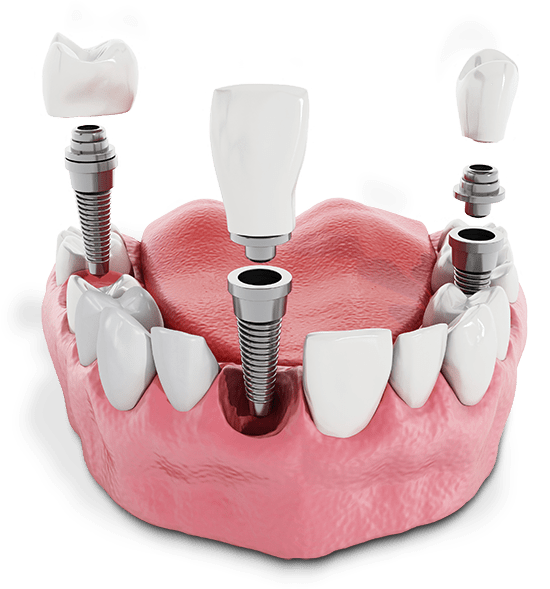
A dental implant is placed in the jawbone, where it heals and integrates with the surrounding bone through a process called osseointegration. Once healing is complete, the implant can support a custom crown, bridge, or other restoration depending on how many teeth are missing. For many patients, implants provide a more stable and natural-feeling option than removable appliances.
Other tooth replacement options, such as partial dentures and fixed bridges, may still be appropriate in some cases, but they work differently. Dentures rest on the gums and do not stimulate the jawbone the way a tooth root does. Traditional bridges can restore chewing and appearance, but they do not replace the missing root in the bone and may require modification of neighboring teeth. Dental implants are often chosen when the goal is to replace missing teeth with a fixed solution that also supports the underlying bone.
If you are exploring dental implants in Berkeley, CA, Dr. Keith Chertok can evaluate your gum health, bone support, and treatment goals to determine whether implant treatment is appropriate for your case.
The Dental Implant Process
Dental implant treatment begins with a consultation and evaluation. This first step helps determine the health of the gums, the amount of available bone, your bite, and the type of restoration that may best fit your needs. In some cases, treatment can move directly to implant placement. In others, preparatory care such as periodontal treatment or bone grafting may be recommended first to improve long-term support and predictability.
Once the site is ready, the implant is placed in the jawbone, where it heals through a process called osseointegration. During osseointegration, the surrounding bone gradually bonds to the implant surface, creating a stable foundation for the future restoration. After healing is complete, the implant can support a crown, bridge, or other prosthetic depending on how many teeth are being replaced.
Treatment timelines vary from patient to patient. Some people need only a straightforward implant placement, while others need staged care that may include grafting or additional healing time. What matters most is careful planning, clear diagnosis, and a treatment sequence designed around long-term function, tissue support, and oral health.
Dentures VS Dental Implants in Berkeley, CA
Dental implants and dentures both replace missing teeth, but they do so in very different ways. This page is focused on implant treatment and why patients often prefer a fixed option when they want more stability, improved chewing function, and support for long-term jawbone health.
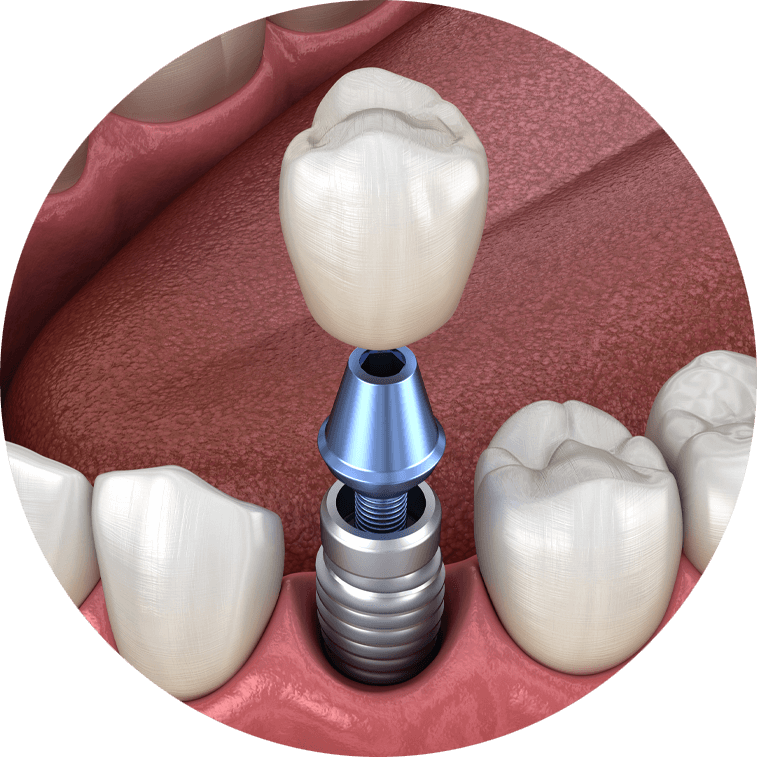
Dental Implants
Dental implants are typically made from titanium, a biocompatible material that can integrate with the jawbone during healing. That integration helps create a stable foundation for the replacement tooth or teeth and is one of the main reasons implants feel more secure than removable options.
Implants can be used to replace a single missing tooth, several missing teeth, or help support a larger restorative plan. Because they are anchored in bone, they help transfer chewing forces into the jawbone and may help limit the bone loss that often follows tooth loss. With good home care and regular professional maintenance, implants can remain functional for many years, although every case is different.
Characteristics of Dental Implants
- Titanium composition
- Anchored in bone for stability
- Can replace one tooth or several teeth
- Support a crown, bridge, or other restoration
- Help preserve jawbone stimulation during chewing
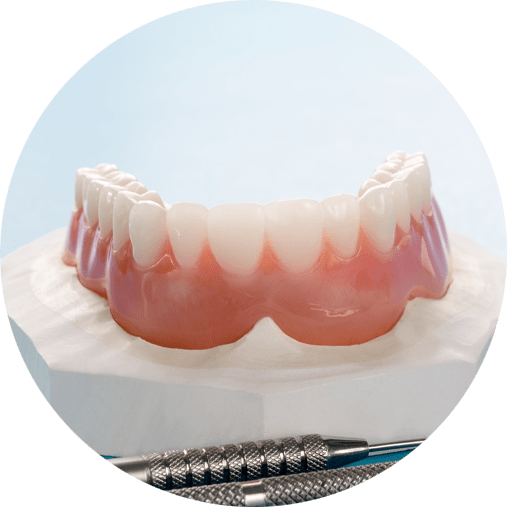
Dentures
Traditional dentures are usually made from acrylic and other restorative materials and rest on top of the gums rather than being anchored directly into the jawbone. They can replace several missing teeth or a full arch, but because they are removable, they may shift during chewing or speaking.
Dentures also do not replace the missing root in the bone, so they do not provide the same jawbone stimulation as an implant. Over time, changes in the jaw and gums may require adjustments, relining, or replacement. For some patients, dentures remain a reasonable option, but they offer a different experience than fixed implant treatment.
Characteristics of Dentures
- Removable design
- Less stability during daily function
- Commonly used for several teeth or full-arch replacement
- Often require refitting over time
- Do not stimulate the jawbone like tooth roots
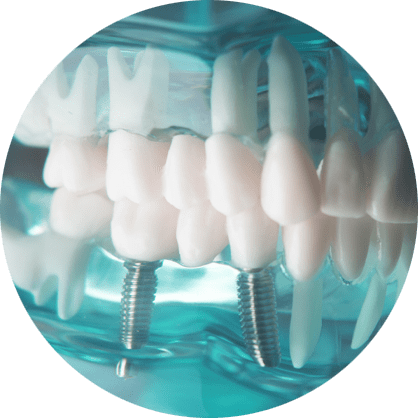
Modern Solutions to Halt Jawbone Loss
Your natural tooth roots help stimulate the jawbone every time you chew. After tooth loss, the bone in that area can begin to shrink because it is no longer receiving that stimulation. This process can begin after an extraction or after a tooth has been missing for some time, and it is one of the main reasons long-term tooth loss affects both oral function and facial support.
Dental implants are often recommended because they replace the missing root as well as the visible part of the tooth. After placement, the implant heals in the jawbone through osseointegration, allowing it to support a restoration and help restore chewing function. That root-level support is one of the key differences between implants and many other tooth replacement options.
Some patients need additional preparation before implant placement. If bone has already been lost, procedures such as bone grafting may be recommended to improve support and long-term predictability. A specialist evaluation, supported by imaging, helps determine whether implant placement can proceed directly or whether grafting or staged treatment would be a better approach.
Are You A Candidate For Dental Implants?
Why Choose A Periodontist For Dental Implants
Dental implant treatment is not only about replacing a missing tooth. It also involves evaluating the condition of the gums, the quality and quantity of available bone, the long-term stability of the bite, and whether tissue management or grafting may improve the outcome. A periodontist is trained to assess these supporting structures and build a treatment plan around them.
That added level of training matters when there is bone loss, a history of periodontal disease, complex restorative planning, or questions about whether an implant can be placed now or should be staged more carefully. A specialist evaluation helps identify which tissues can be preserved, which risks need to be managed, and which approach is most appropriate for long-term success.
Dr. Keith Chertok’s periodontal and implant background supports a treatment approach that is careful, precise, and patient-specific. For implant patients, that means decisions are guided not just by the missing tooth itself, but by the health of the surrounding gums and bone that will support the restoration over time.
Additional Dental Implant Information
The Domino Effect!
Missing even one tooth can affect the rest of your mouth. Nearby teeth may begin to drift, the bite can change, and the remaining teeth may take on more chewing pressure than they were meant to handle. Over time, that added stress can contribute to wear, fracture, or instability. Dental implants help address that chain reaction by replacing the missing tooth at its source. Because the implant is placed in the jawbone, it functions more like a natural tooth root than a removable replacement.
Most Adults Have Lost at Least One Tooth!
Before-and-after cases can help show how implant treatment supports both function and appearance. These examples are designed to reflect what careful planning, healthy tissue support, and well-executed restorative treatment can achieve over time.
Secure Your Smile!
Many patients who are frustrated with removable dentures want to know whether a more stable option is available. Implant-supported treatment can improve retention and chewing comfort, and in many cases it can reduce the slipping or clicking that patients notice with removable appliances. Dental implants are designed to support restorations that look natural and function more like real teeth. The right approach depends on how many teeth are missing, the condition of the gums, the available bone, and your overall health.
The Proof Is In Our Patients
Drag the slider right to see the "Before". Drag left to reveal the "After".
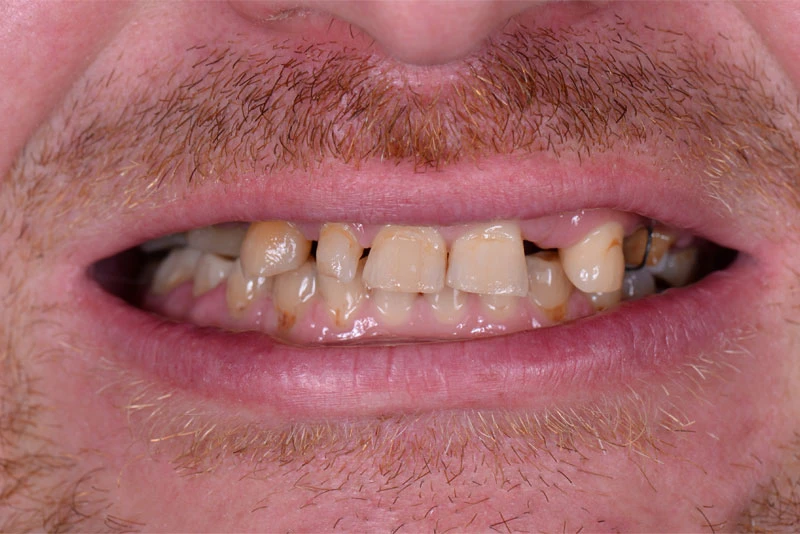
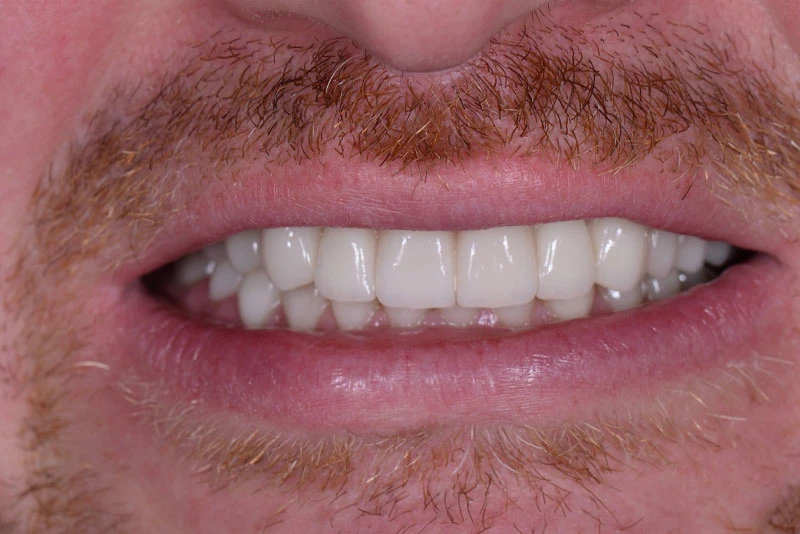
- Before & After Dental Implants
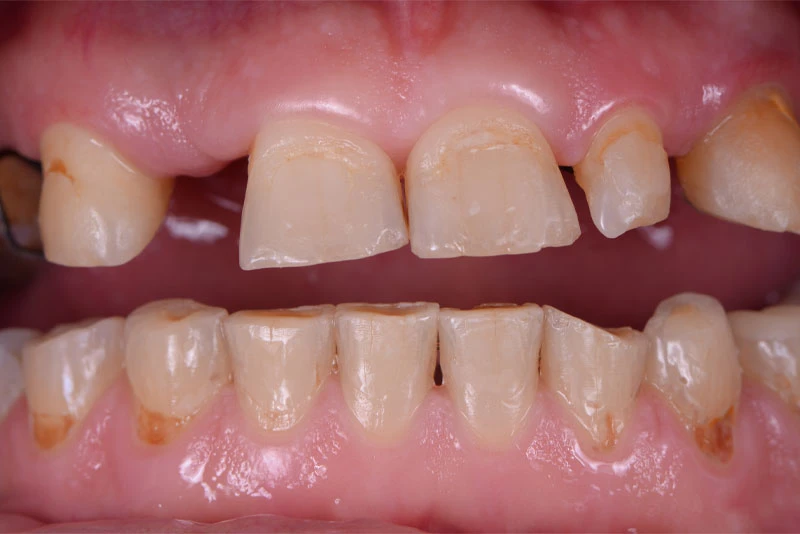
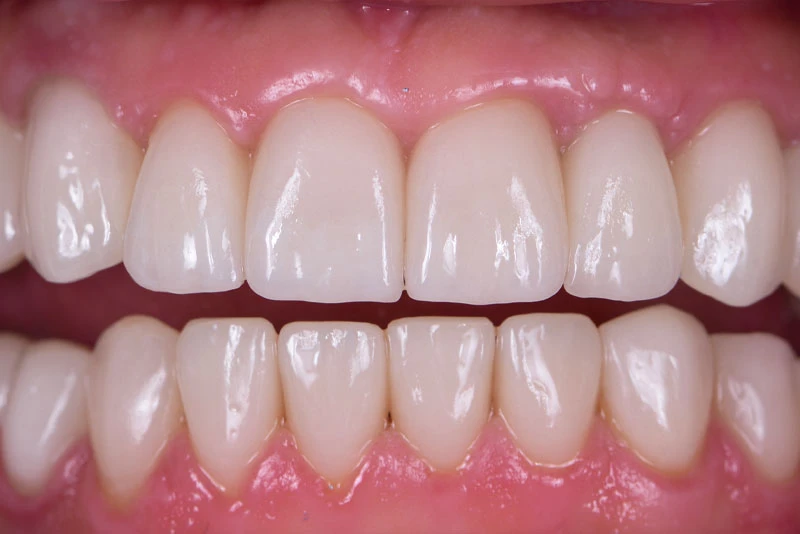
- Before & After Dental Implants
Secure Your Smile with Dental Implants
Dental implants can be an effective option for many adults who want a fixed replacement for missing teeth. They can help restore chewing, support the bite, and improve smile completeness while also helping preserve the jawbone.
Treatment timelines vary from patient to patient. Some people return to normal daily activities quickly, while full healing in the bone takes longer. Recovery depends on the number of implants placed, whether grafting was needed, and the specifics of the treatment plan. Many patients experience only minor swelling or bruising for a few days, but healing and integration continue well beyond the first week.
Patients should follow all post-operative instructions carefully and contact the office if they experience worsening pain, unusual swelling, bleeding that does not improve, fever, or other concerns during recovery. To learn whether you are a candidate for dental implants in Berkeley, CA, schedule a consultation with Dr. Keith Chertok for a personalized exam and treatment plan.
Find Out If You're A
Candidate For Dental Implants!
Answer the Following Questions To Learn more about our pricing and financing options.

Maintenance After Dental Implants
Dental implants still require ongoing care after treatment is complete. Although the implant itself does not decay like a natural tooth, the surrounding gums and bone still need to stay healthy to support it. Daily home care, regular professional cleanings, and long-term monitoring are all important parts of maintaining implant health.
Maintenance also helps protect the surrounding tissues from inflammation and breakdown over time. Patients who have a history of gum disease, bone loss, or complex restorative treatment may especially benefit from regular follow-up and periodontal monitoring. Long-term success is not just about the placement appointment. It also depends on how well the tissues remain stable after healing.
Recovery instructions should also be followed carefully in the early healing period. Patients should contact the office if they notice worsening pain, unusual swelling, bleeding that does not improve, fever, or other concerns during recovery. Ongoing maintenance and timely follow-up help support both healing and long-term implant stability.
Dental Implants FAQ: Everything Berkeley, CA Patients Need to Know
Dental implants are fused directly into the jawbone, offering unmatched stability and long-term success. Unlike dentures, which sit on the gums and may shift, implants preserve jawbone health and function like natural teeth.
The dental implant process involves placing a titanium post into the jawbone, which fuses with the bone over time. This post acts as a strong foundation for a crown or bridge, restoring both appearance and chewing function.
Dental implants are made from titanium, a biocompatible material that integrates with the jawbone. This modern solution mimics natural tooth roots and helps prevent bone loss.
Recovery varies, but most patients return to normal activities within a few days. Dental professionals agree that healing continues over several months as the implant bonds with the jawbone, ensuring long-term success.
Sudden tooth loss can result from trauma, decay, or gum disease. Dental implants offer a permanent solution by replacing lost teeth and restoring full function and appearance.
When teeth are missing, the jawbone no longer receives stimulation from chewing, leading to bone loss. Dental implants help by stimulating the jaw like natural teeth, preventing further deterioration.
Yes, dental implants restore stability and function. They’re anchored securely in the jawbone, eliminating the slipping and clicking often experienced with traditional dentures.
Delaying treatment can lead to jawbone loss and additional dental problems. Replacing missing teeth promptly helps maintain oral health and facial structure.
Absolutely. Dental professionals agree that implants are a long-term solution, often lasting a lifetime with proper care—functioning and feeling like natural teeth.
Scheduling is easy—just contact Dr. Keith Chertok’s office in Berkeley, CA to find out if you’re a candidate for dental implants and take the first step toward restoring your smile.