Dangers Of Gum Disease - Berkeley, CA
Avoid Gum Disease With An Experienced Periodontist!
Enjoy Optimal Oral Health
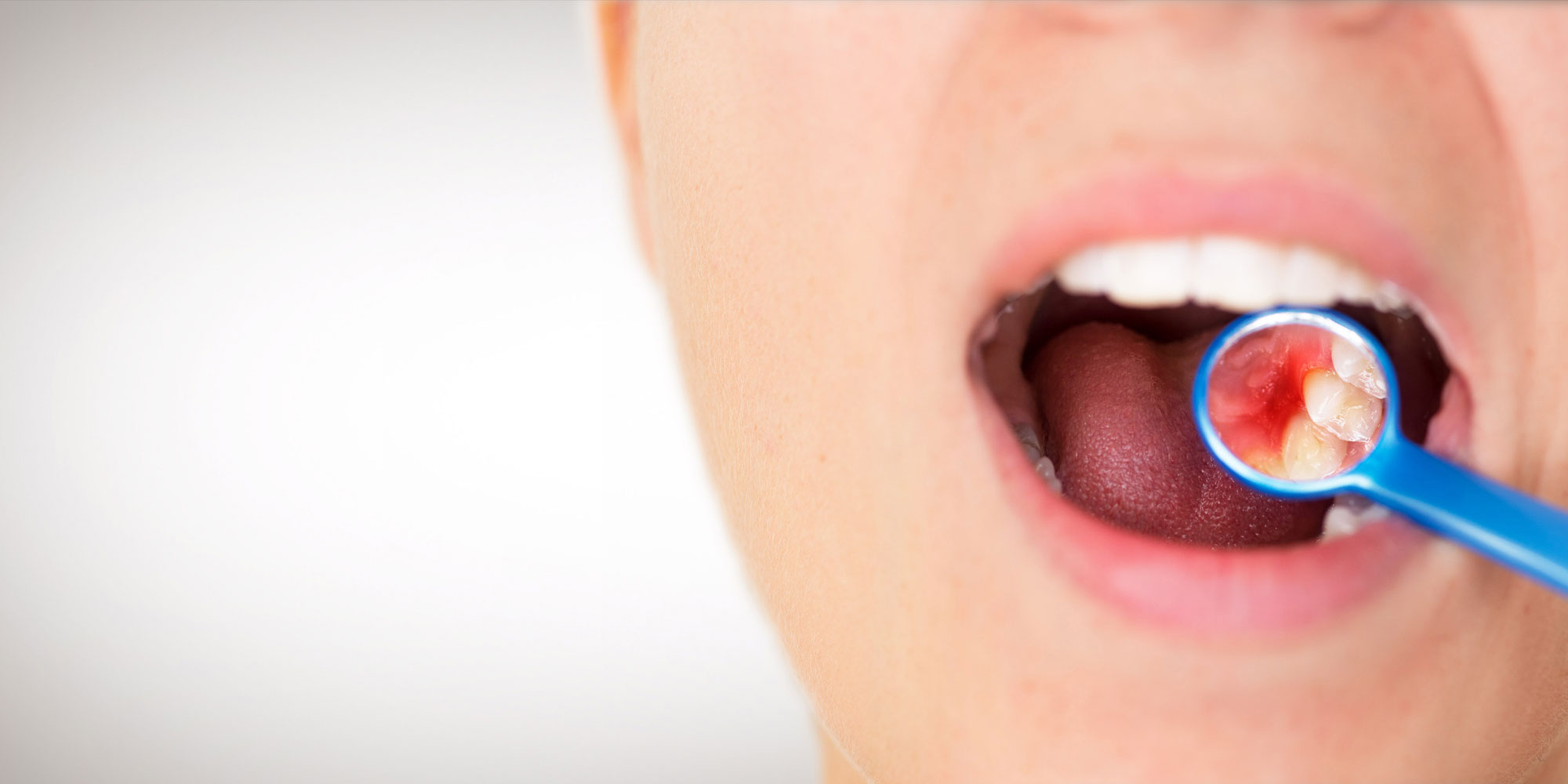
Gum disease, also called periodontal disease, is a common condition that affects the gums and the bone supporting your teeth. It often starts with mild inflammation, but if it is not treated, it can progress to deeper infection, gum recession, bone loss, and eventual tooth loss. Consistent brushing, flossing, and routine periodontal care play an important role in protecting both your oral health and long-term function.
Research has also shown associations between periodontal disease and certain systemic health conditions, including diabetes and cardiovascular concerns. While gum disease does not mean a person will develop these problems, ongoing oral inflammation is one more reason early diagnosis and gum disease treatment matter.
Symptoms of Poor Oral Health
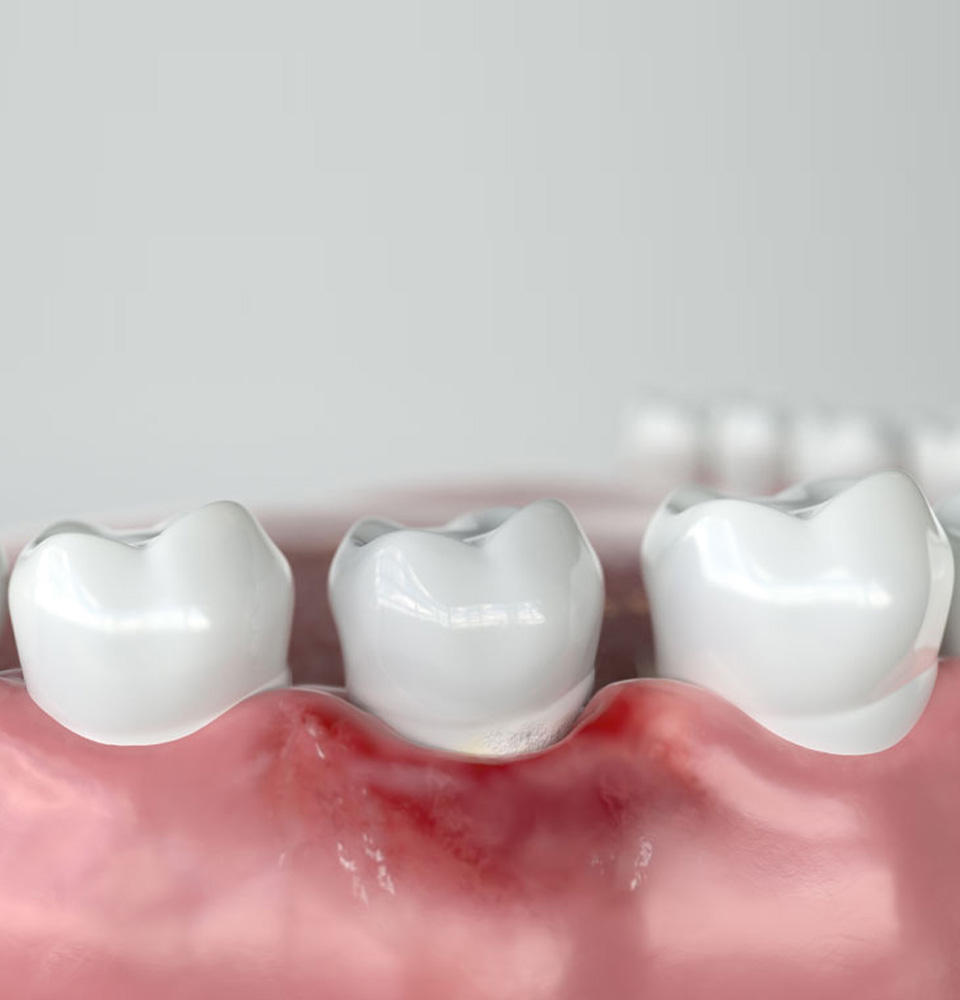
- Bleeding gums
- Pus around a tooth
- Gum Recession
- Inflamed gums
- Swollen or red gums
Gum Disease Informational Videos
Dental Progression of Gum Disease
Gum Disease Can Hurt Your Pregnancy
The Warning Signs of Gum Disease
How Minor Gum Disease Symptoms Can Lead to Major Infection
How Periodontal Disease Endangers Your Heart
Periodontal Disease Worsens Diabetes
Stages of Gum Disease
Gum disease develops in stages. It usually begins when plaque and bacteria collect around the gumline. As the condition progresses, the infection can move below the gums and begin damaging the connective tissue and bone that hold the teeth in place. The earlier gum disease is identified, the more conservative treatment may be.
Stage 1: Gingivitis
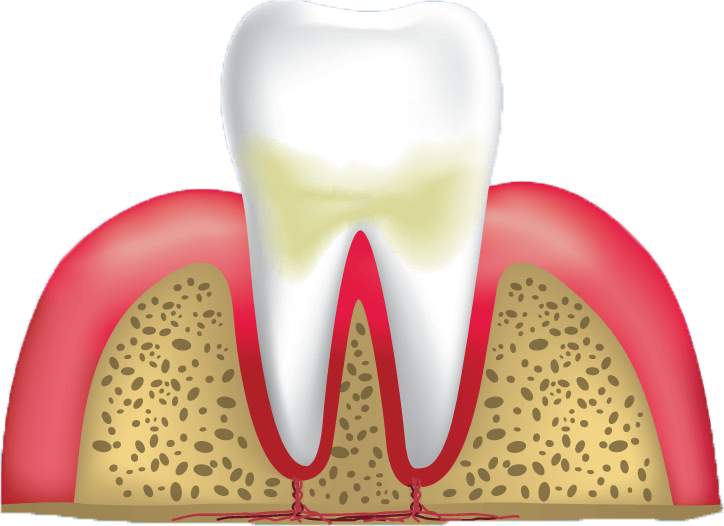
Gingivitis is the earliest stage of gum disease. It is caused by plaque and bacterial buildup near the gumline, often due to inconsistent brushing and flossing. At this stage, the gums may look red or swollen and may bleed when you brush or floss.
The good news is that gingivitis is often reversible. Because the supporting bone and connective tissues have not yet been damaged, professional cleanings and improved home care can often restore gum health before the condition progresses.
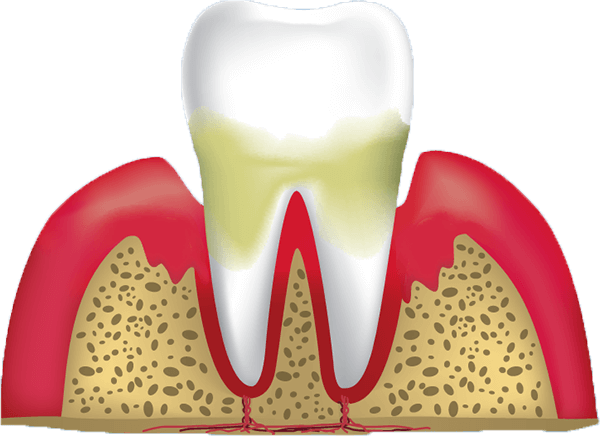
Stage 2: Periodontitis
If gingivitis is not treated, it can advance to periodontitis. At this stage, the infection begins to affect the structures that support the teeth, including the bone and periodontal ligament.
As the gums pull away from the teeth, periodontal pockets can form. These deeper spaces trap plaque, tartar, and bacteria that are difficult to remove with home care alone. Over time, this can lead to gum recession, persistent inflammation, and gradual bone loss. Prompt periodontal treatment is important to help control the infection and protect the teeth.
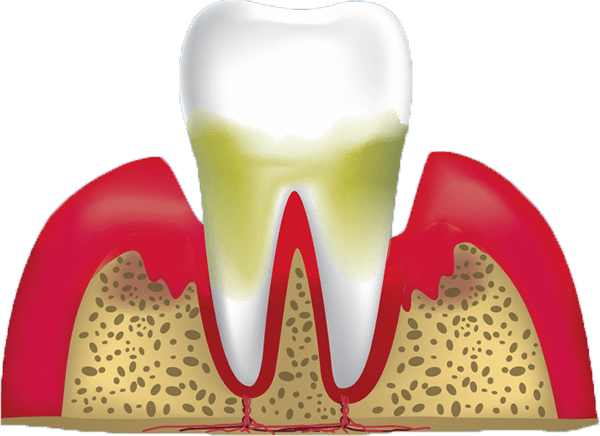
Stage 3: Advanced Periodontitis
Advanced periodontitis is the most severe stage of gum disease. By this point, the infection has caused more extensive damage to the gums, connective tissue, and underlying bone.
Teeth may begin to shift, feel loose, or affect the way your bite comes together. Pockets around the teeth often become deeper, making the area more difficult to keep clean without professional treatment. At this stage, periodontal care is needed to manage the disease, reduce further damage, and determine whether affected teeth can be preserved.
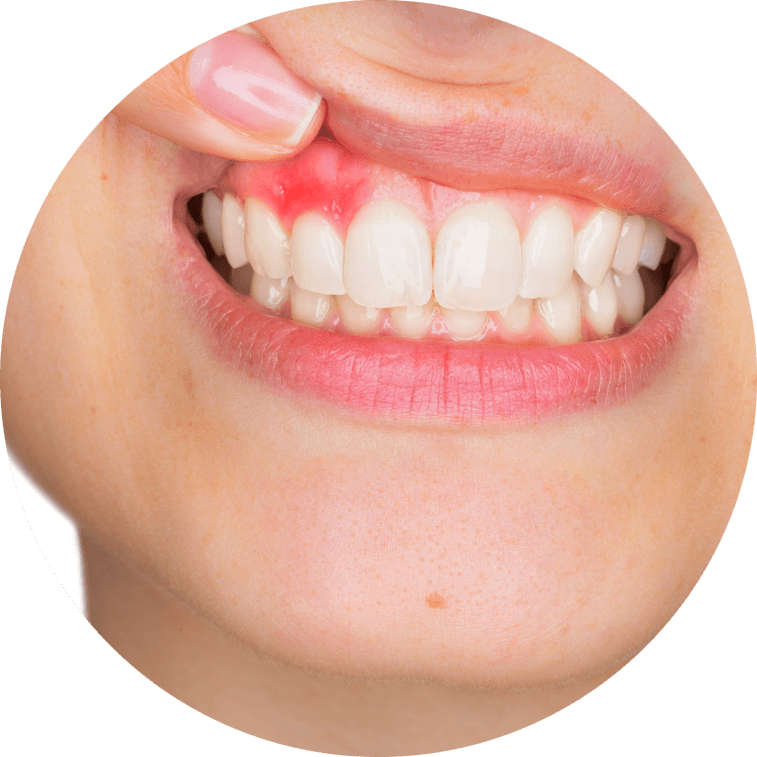
Periodontal Disease Can Cause Tooth Loss
Loose or shifting teeth are not normal and should be evaluated as soon as possible. In many cases, they are a sign that gum disease has already damaged the bone supporting the teeth.
Other signs that may appear along with tooth mobility include bleeding gums, gum recession, food getting trapped between teeth, pus around the gums, or persistent swelling. While not every loose tooth needs to be removed, early evaluation is important to determine the cause and the most appropriate treatment.
Tooth and Bone Loss
Teeth can be lost for many reasons, including injury, decay, congenital conditions, and periodontal disease. In adults, gum disease remains one of the leading causes of tooth loss because it gradually destroys the structures that keep teeth stable.
When a tooth loses enough support, it may loosen and eventually need to be removed or may be lost on its own. Seeking treatment early can help slow disease progression and improve the chances of preserving natural teeth.
Diet
Your teeth play an important role in chewing comfortably and maintaining a varied, nutritious diet. When teeth become loose or are lost, many people begin avoiding harder foods such as vegetables, fruits, nuts, or proteins that require more chewing.
Over time, that can affect nutrition and overall health. Treating gum disease early may help preserve natural teeth, maintain chewing function, and reduce the risk of more complex restorative needs later.
Speech
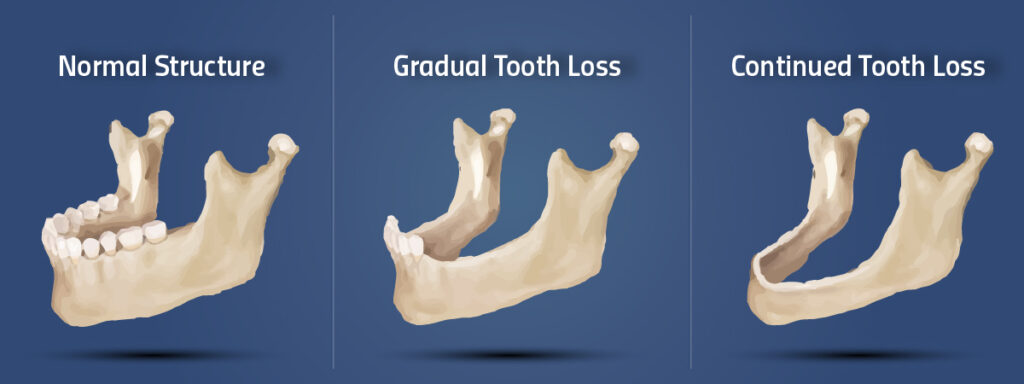
Teeth help stimulate the jawbone during normal chewing. When teeth are lost, that stimulation decreases, and the surrounding bone can begin to shrink over time. Gum disease can accelerate this process by causing bone loss before teeth are even missing.
As bone loss becomes more advanced, treatment planning may become more complex. In some cases, additional periodontal or regenerative procedures may be recommended to help restore or preserve support. A periodontal evaluation can help determine the extent of the damage and the next steps for care.
Bone Loss in the Jaw
Teeth do more than just help us chew our food and speak. They actually serve to stimulate the bone in the jaw. Each time you chew, the teeth stimulate the bone. Without this natural stimulation, the alveolar bone, which is the portion of the jaw bone that anchors teeth in the mouth, begins to break down and is resorbed by the body. If there are no longer teeth present that need the jaw bone, the bone deteriorates and disintegrates.
The rate of deterioration varies per person, however, it begins almost immediately after a tooth is lost or removed and continues throughout life. Once deterioration reaches a certain point, dental prosthetics, such as dentures, may no longer be useful if there is not enough bone to support them. A doctor can help to determine if you have suffered any bone loss. If you have experienced bone loss that is too far gone to be addressed with gum disease treatment, your doctor can discuss tooth replacement options during your consultation.
If you are noticing bleeding gums, gum recession, bad breath, loose teeth, or signs of infection, a periodontal exam can help determine the stage of disease and the most appropriate treatment options. Early care can make a meaningful difference in protecting your oral health and keeping your teeth stable for as long as possible.
Additional Gum Disease Information
Common Causes of Bad Breath
Bad breath can have more than one cause. While it is often related to oral hygiene, it can also be a sign of gum disease, dry mouth, oral infection, certain food choices, lifestyle habits, or underlying health concerns.
Common causes of bad breath include:
- Gum disease
- Lifestyle habits
- Food choices
- Inconsistent oral hygiene
- Chronic illness
- Dry mouth
Symptoms of Oral Health Problems
Signs of an oral health problem or possible infection may include:
- Bleeding gums
- Pus around a tooth
- Gum recession
- Inflamed gums
- Swollen or red gums
- Persistent bad breath
- Loose or shifting teeth
Tooth Loss Affects Your Whole Life
Tooth loss can affect much more than the appearance of your smile. It can influence the way you eat, speak, and care for your oral health over time. It may also contribute to jawbone loss, shifting of nearby teeth, and changes in facial support.
That is why periodontal treatment is focused not only on treating active infection, but also on protecting long-term function and stability. If you have signs of gum disease or have been told you may need treatment, a consultation can help clarify your diagnosis and the options available to you.
Looking to restore your gum health?
Schedule Your Consultation with Dr. Chertok today!
Gum Disease Risk FAQs: Protecting Your Health in Berkeley, CA
Gum disease is best treated in its early stages with professional cleanings and improved oral hygiene. As it progresses, deeper treatments like scaling and root planing, laser therapy, or osseous surgery may be required to stop further bone and tissue loss and prevent tooth loss.
In advanced stages, your periodontist may perform deep cleaning procedures and surgical interventions to reduce pocket depths, remove diseased tissue, and regenerate lost bone. These steps help stabilize loose teeth and prevent the need for extraction.
Consistent brushing, flossing, and routine periodontal maintenance visits are key. Avoiding tobacco and treating early symptoms like bleeding gums or bad breath quickly helps prevent disease from progressing to irreversible stages.
Periodontists specialize in diagnosing and treating gum disease at every stage. Dr. Chertok offers advanced procedures, including laser therapy and bone regeneration, that go beyond routine cleanings and are essential for saving teeth in moderate to severe cases.
Bleeding gums, redness, swelling, persistent bad breath, or gum recession are all signs of early gum disease (gingivitis). Catching these signs early makes treatment easier and more effective.
Yes. Gum disease has been linked to systemic health conditions like heart disease, stroke, diabetes, and even pregnancy complications. The inflammation caused by oral bacteria can spread through the bloodstream and affect overall health.
As gum disease progresses, the bone and connective tissue supporting your teeth break down. This leads to deeper gum pockets, loose teeth, bite changes, and eventual tooth loss if left untreated.
Gum disease is the leading cause of adult tooth loss. Once the bone around the teeth is gone, it cannot be restored without surgical intervention. Treating early symptoms now can save your teeth and prevent costly procedures later.
Missing teeth can impact your ability to chew, speak clearly, and maintain a nutritious diet. It also leads to bone loss in the jaw and facial structure changes. Treating gum disease protects your smile and your long-term wellness.
If you’re noticing signs of gum disease or concerned about tooth loss, schedule a consultation with Dr. Keith Chertok in Berkeley, CA. Early intervention can preserve your teeth, protect your health, and restore confidence in your smile.