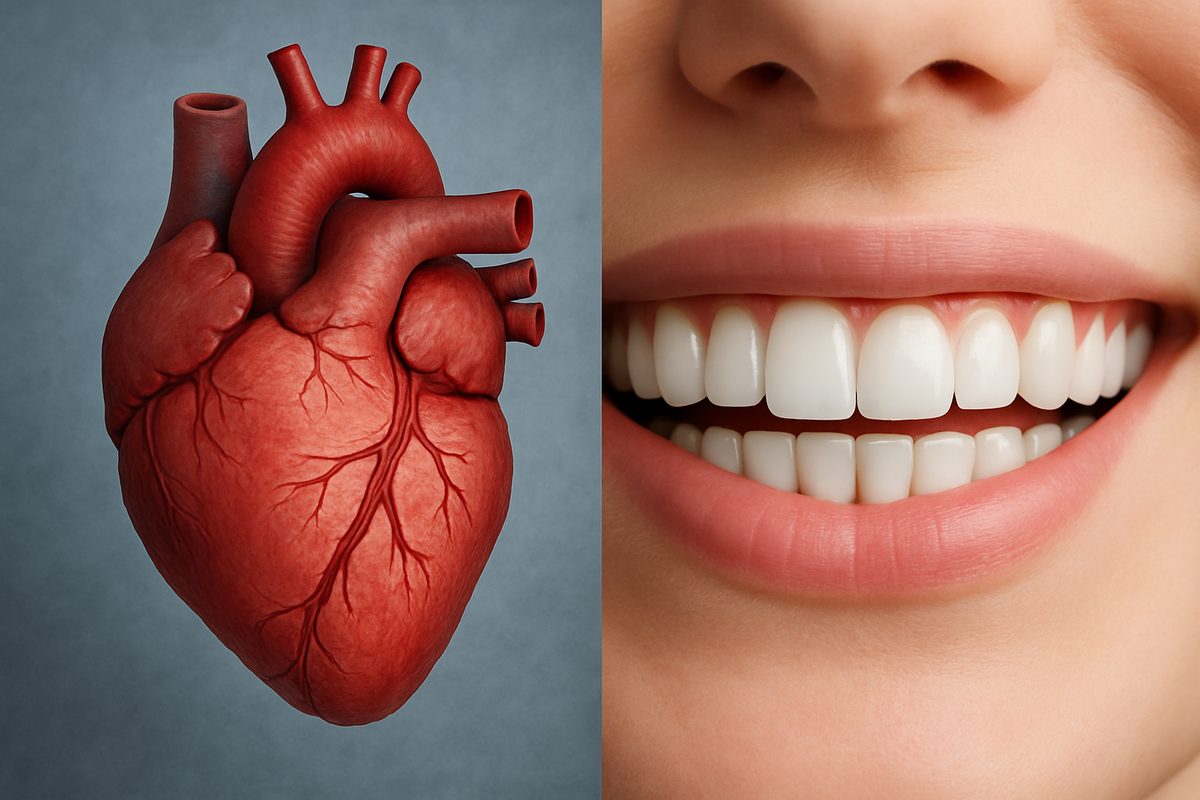
Understanding dental and heart health means knowing how the mouth and the cardiovascular system affect one another. Research shows people with gum disease have higher rates of heart attack, stroke, and other cardiovascular problems. This article explains that link in plain language and gives clear, actionable steps you can take to protect both your mouth and your heart.
Goal: summarize the evidence, explain how oral problems can influence the heart, list common warning signs, and offer practical steps you can start this week to lower your risk.
What the research says about dental and heart health
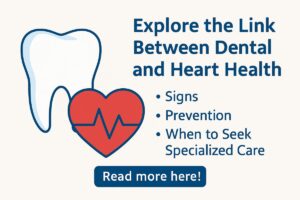
Several large studies find an association between periodontitis (advanced gum disease) and cardiovascular disease. People with worse gum disease tend to have higher rates of heart attack, stroke, and clogged arteries. Researchers look at two main ideas as the link: chronic inflammation and oral bacteria that enter the bloodstream. They also note shared risk factors like smoking, diabetes, and poor diet that raise both dental and heart risk.
Correlation vs. causation
Important to know: most studies show correlation, not definite cause and effect. That means gum disease and heart disease often happen together, but it’s not always clear if one directly causes the other. Ongoing research is testing whether treating gum disease lowers heart risk. Until then, reducing oral inflammation and infection remains a sensible step because it improves overall health.
How oral problems can affect the heart
Systemic inflammation
Chronic gum inflammation releases inflammatory signals into the bloodstream. Over time, this raises overall body inflammation. High systemic inflammation can damage blood vessel walls and speed up the buildup of artery-clogging plaque. In plain terms: constant gum inflammation makes the heart work harder and arteries more vulnerable.
Bacteria entering the bloodstream
When gums are infected or damaged, oral bacteria can slip into the blood during everyday actions like chewing or brushing. These bacteria may travel to arteries or the heart and contribute to infection or plaque formation. While rare, direct bacterial infection of heart tissue (endocarditis) can occur in people with certain heart conditions.
Common dental issues tied to heart risk
Periodontitis (advanced gum disease)
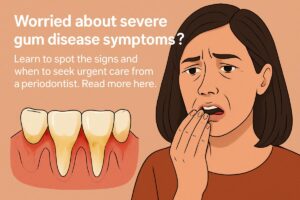
Periodontitis causes deep pockets around teeth, bone loss, and loose teeth. It’s the most-studied oral condition in heart research because it produces persistent inflammation and a high bacterial load. Symptoms include bleeding gums, receding gums, bad breath, and shifting teeth.
Dental abscesses and chronic infections
Untreated tooth infections can become abscesses. These are acute sources of bacteria and inflammation that can spike systemic stress. An untreated abscess may pose an immediate health risk and should be treated promptly.
Poor oral hygiene and tooth loss
Long-term neglect—irregular brushing, no flossing, missed dental visits—allows plaque and bacteria to build up. Over years this raises inflammation and can lead to tooth loss, which links to worse nutrition and higher systemic risk.
Practical steps to protect dental and heart health
Small daily habits plus regular care reduce both oral and cardiovascular risk. Key actions:
- Brush teeth twice a day for two minutes with fluoride toothpaste. Use gentle, thorough strokes along the gumline.
- Clean between teeth once a day with floss or interdental brushes. This removes bacteria where a toothbrush can’t reach.
- Consider an antimicrobial mouth rinse if recommended by your dentist or hygienist.
- See your dentist regularly for cleanings and periodontal screening. Early treatment lowers long-term inflammation.
- Manage overall health: quit smoking, control diabetes, lower cholesterol, eat a balanced diet, and reduce stress.
When to see a periodontist vs. your general dentist
See your general dentist first for routine care and screenings. Seek a periodontist if you have red flags or advanced problems. Red flags include:
- Gums that bleed often
- Loose or shifting teeth
- Persistent bad breath or a bad taste
- Swollen, painful gums or visible pus (possible abscess)
- A personal or family history of heart disease
A periodontist offers specialized diagnostics (deep pocket measurements, bone imaging), targeted therapies for infection and inflammation, and advanced treatments not done in a general office.
How Dr. Keith Chertok, DDS approaches dental and heart health
Dr. Keith Chertok, DDS focuses on reducing infection and inflammation with minimally invasive options that support overall health. His periodontal practice in Berkeley uses tools like LANAP® laser therapy to treat moderate to severe gum disease with less trauma, oral DNA testing to identify harmful bacteria, and gum-sparing techniques such as the Pinhole Surgical Technique® when appropriate. These evidence-based methods aim to control periodontal disease while lowering systemic inflammatory burden.
Actionable next steps
Quick checklist to follow this week:
- Brush twice daily for two minutes and floss once daily.
- Check for red flags (bleeding, loose teeth, bad breath). If present, call for an exam.
- Book a dental or periodontal checkup if you’ve missed visits in the past year.
- Talk with your dentist about your heart history and any medications you take.
- Work on one lifestyle change: quit smoking, improve blood sugar control, or cut back on added sugars.
If you have persistent gum problems or cardiovascular concerns, seek a periodontal evaluation. Early diagnosis and treatment can reduce oral infection and may help lower long-term risks to your heart.